Biophotonic Sensing Group
Lund University
Principal Investigator

Ass. Prof. Mikkel Brydegaard, born in 1980 in Copenhagen, Denmark, obtained his M.Sc. in Electrical Engineering and his Ph.D. in Atomic Physics, Biophotonics, and Remote Sensing from Lund University, Sweden, in 2007 and 2012, respectively. He held postdoctoral research positions at Stellenbosch University, South Africa, and Norsk Elektro Optikk, Oslo, Norway. Brydegaard received the Inaba Prize in 2014, became a Docent in 2016, and was an ERC awardee in 2018. Since 2021, he has served as a Senior Lecturer at Lund University. He co-founded the African Spectral Imaging Network and Fauna Photonics in Denmark.
PhDs:
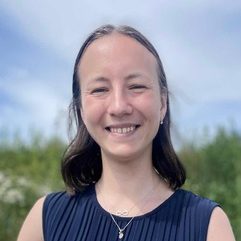
Katrine Gerassimovitch Eskildsen, born in 2001 in Aalborg, Denmark. I got my M.Sc. in Engineering (Physics and Technology with specialisation in Nanomaterials and Nanophysics) from Aalborg University in 2025

Timotej Žuntar is freshly part of the group since July 2025. After studying (bio)physics at the University of Ljubljana and later working on the monitoring of space debris with radar, his part in the entomological lidar project at Lund University is to look at much closer, smaller targets: to model the interaction of light with insect bodies, as well as develop methods of distinguishing their observations, in order to contribute to a reliable method of tracking insect numbers and biodiversity.
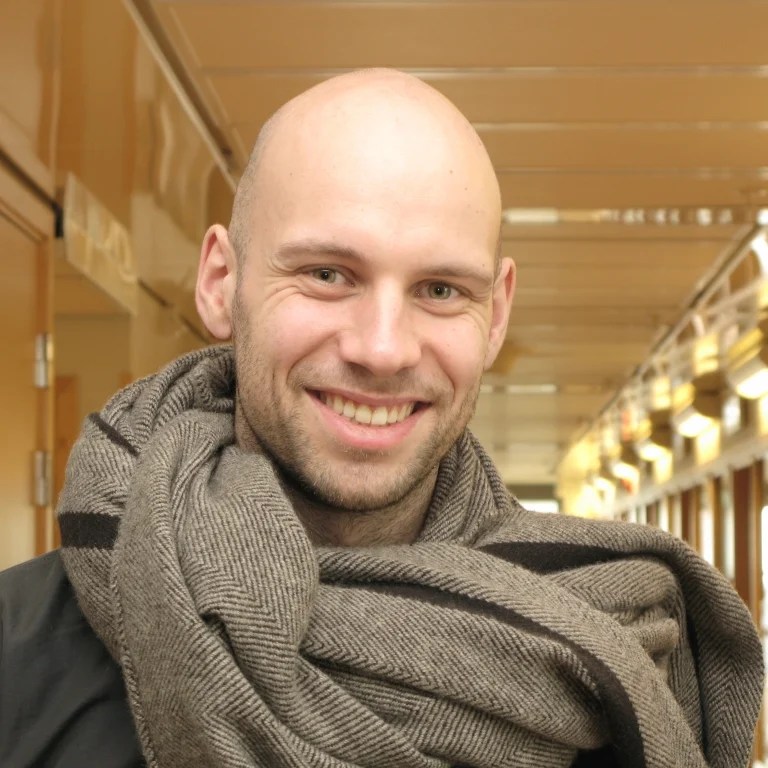
Hi! I’m Leonard de Causmaecker, 25 y/o (2024). I studied electromechanical engineering technology at Vrije Universiteit Brussel, but try to see this training as a blueprint for how the world functions, rather than defining my role in it. Accordingly I tend to focus on a multifaceted approach: I am passionate about digital fabrication, world building, materials science, indigenous art, interdisciplinary design and synthetic biology and, if relevant, strive to combine those to contribute to ecological research. My work ethic very much revolves around reinterpretation, and how process and prototype iteration influence an end product.
Postdocs:

Dr. Patrik Lundin. Patrik studied Engineering Physics at Lund University and obtained a PhD in 2014 with a thesis title “Laser Sensing for Quality Control and Classification – Applications for the Food Industry, Ecology and Medicine. After the PhD, he spent around 10 years in industry, working with development of TDLAS based instrumentation for the food and pharma industries. Patrik is now back in academia and is in our group working in the HyperSense project, mainly with development of a hyperspectral Scheimpflug lidar for range resolved sensing of oxygen.
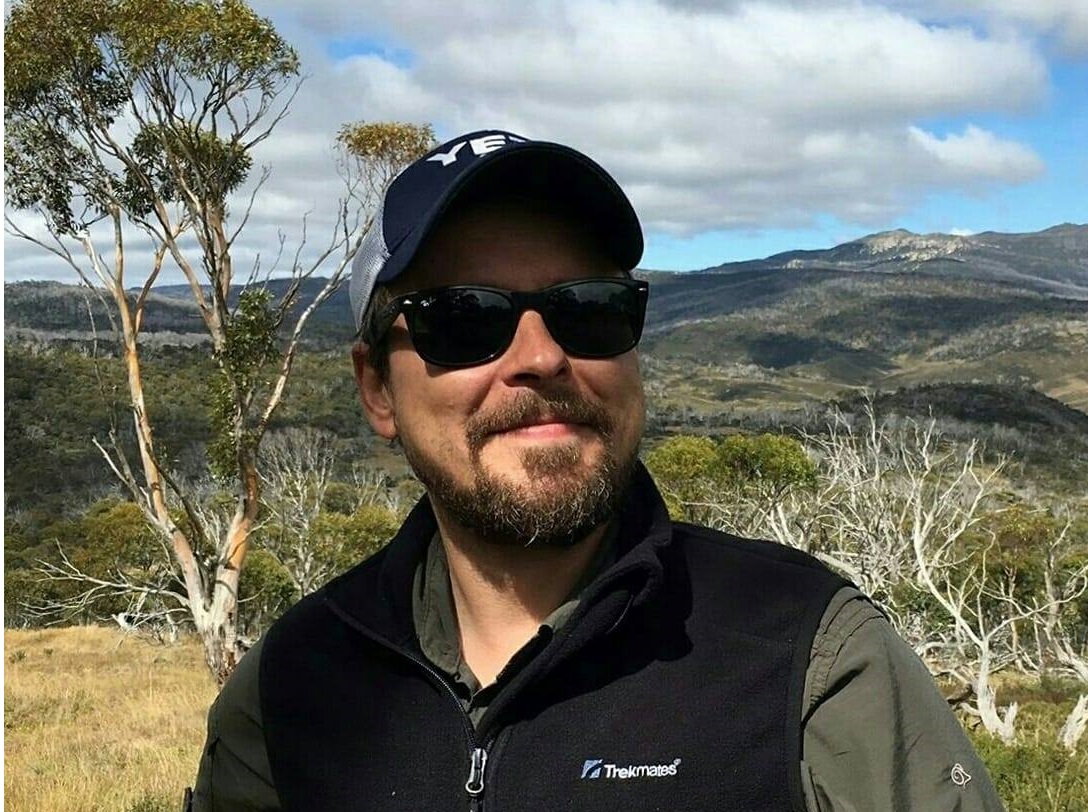
Dr. David Dreyer, beginning February 1st, 2024, renowned for his expertise in insect behavior studies and data analysis. Dr. Dreyer completed his graduate studies at Marburg University, Germany, focusing on the neurochemistry of the insect central nervous system, especially the red flour beetle. He earned his PhD from Oldenburg University, Germany, where his research centered on the neuronal basis of the avian magnetic compass sense. Recently, Dr. Dreyer wrapped up a pivotal project at Lund University on the Bogong moth, enhancing our understanding of magnetoreception in insects. His deep knowledge and innovative approach are great assets to our team.

Dr. Meng Li, born in Kunming, China in 1993, earned her PhD in Biophotonics and Entomological Lidar from Lund University, Sweden, in 2024 under the supervision of Dr. Mikkel Brydegaard. Her research within the Division of Combustion Physics investigated specular reflexes and back-lasing from insect wings, providing insights into membrane thickness and surface roughness for target remote identification.
Project Assistant:
Masters Students:
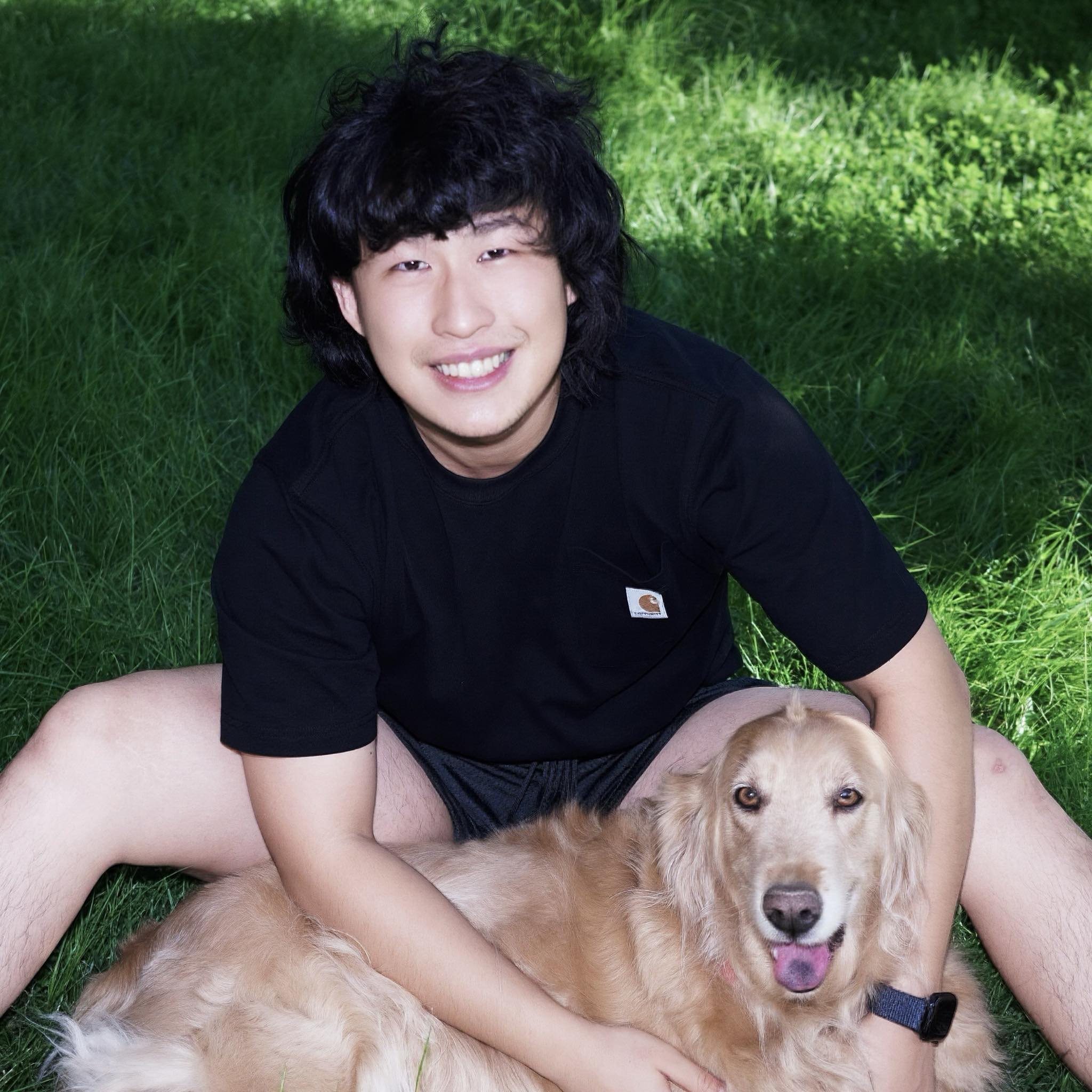
I am Shijun Sun, born in Urumqi, China. I earned my Bachelor’s degree in Electronic Information Engineering at Xiamen University and I am currently in Photonics M.Sc program at Lund University. As part of Mikkel Brydegaard’s Biophotonics research group, I am conducting my Master’s thesis project entitled “Development of Deep Ultraviolet Spectral Imaging for Pollen Classification.” My ideal research focus revolves around curiosity, exploring how to integrate familiar things around us into scientific research, thereby opening up new avenues for discovery.
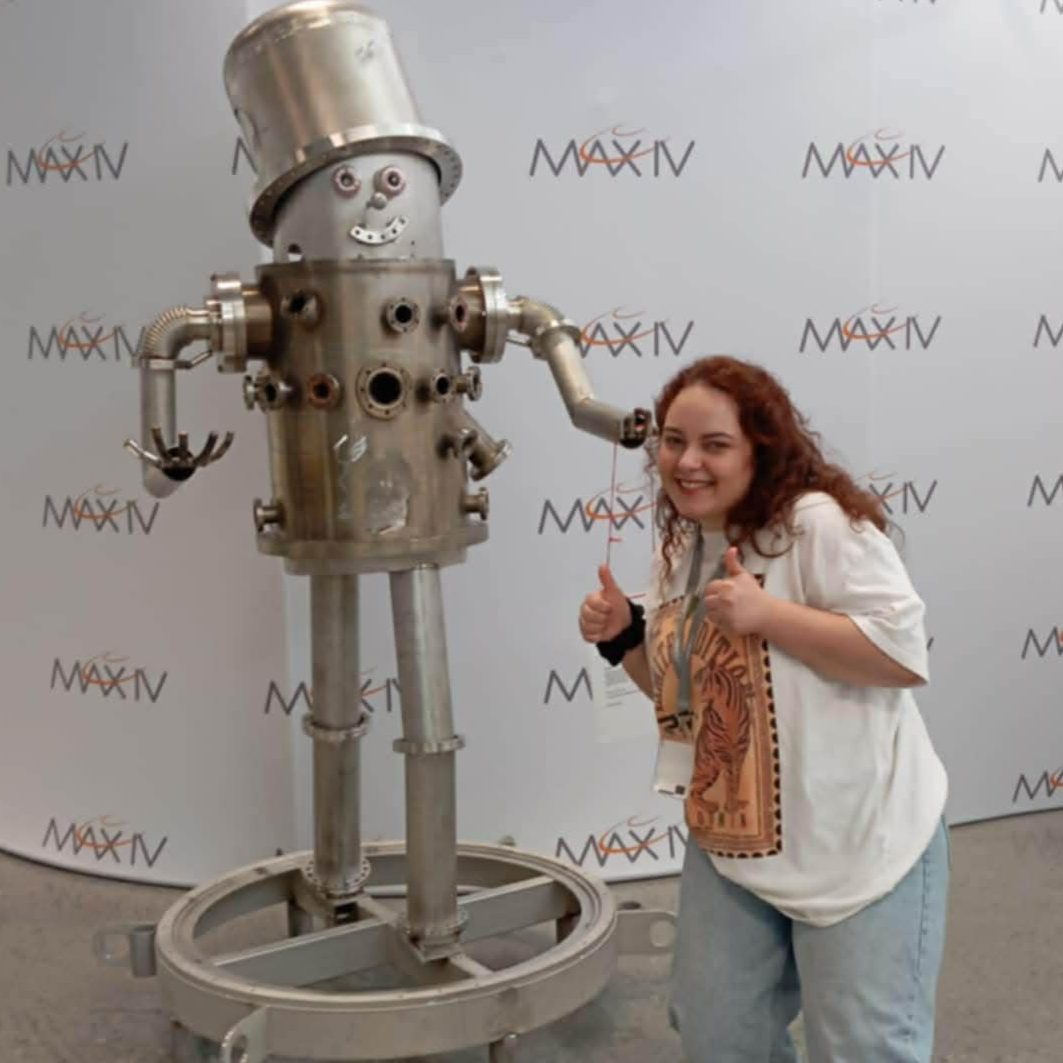
I am Dorota Kiżewska, I come from Poland, and I officially started my master’s thesis at the beginning of 2026. The project is about hyperspectral scanning to create an adaptable insect model. Currently, we are scanning fresh insects from three anatomical planes—dorsal-ventral, anterior-posterior, and lateral—to capture how optical properties like water and melanin vary with direction. Once the scans are done, I will move on to parametrization using spherical harmonics and then forward-modeling the light scattering in MATLAB.
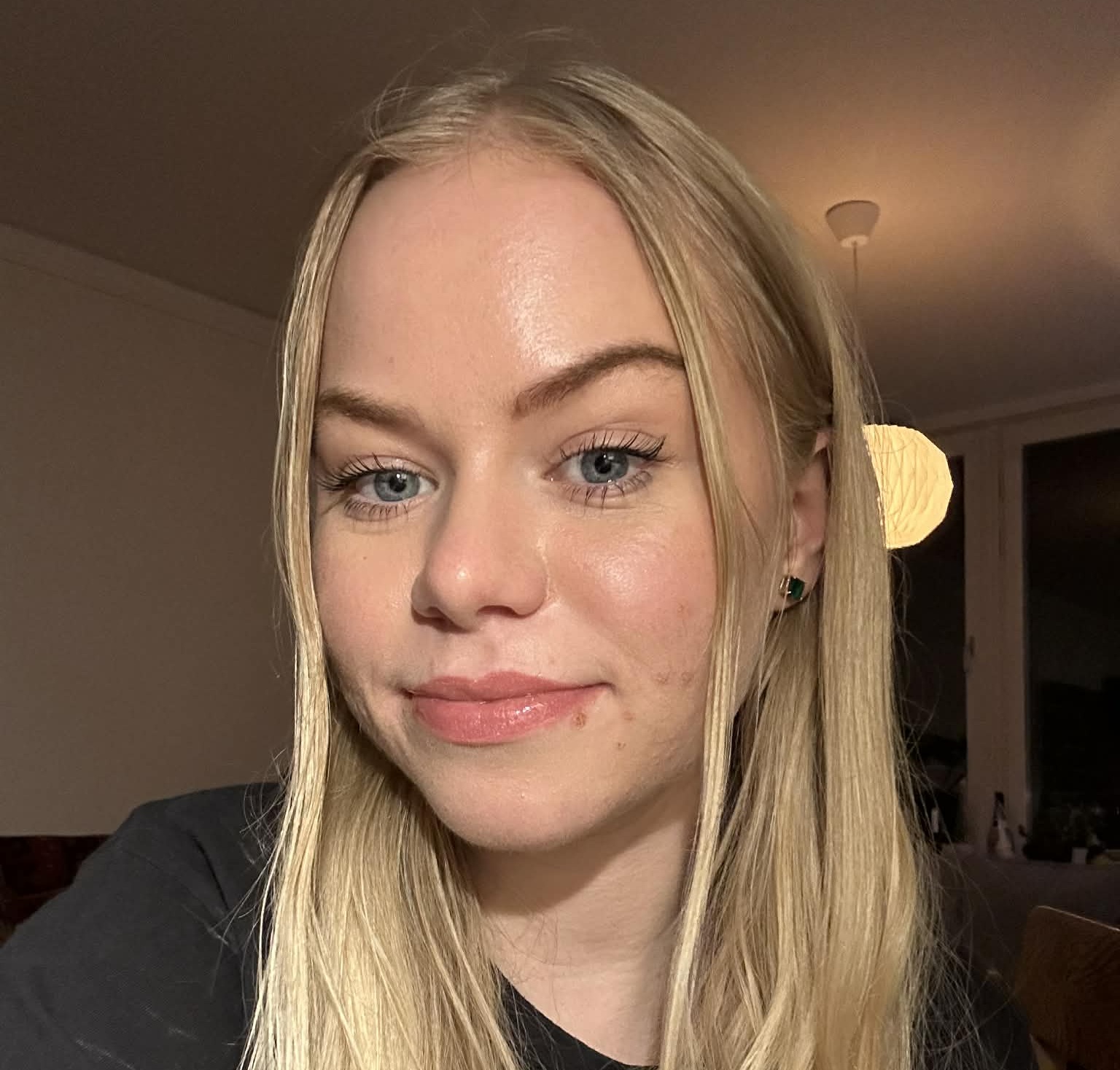
My name is Mira Håkansson and I am doing my masters project during VT26, supervised by Mikkel Brydegaard , Meng Li and David Dreyer.I was born in North Carolina in 2001, and moved to Sweden when I was four. I have also lived in Beijing but most of my life I’ve spent right outside Lund in Eslöv. I got my bachelors degree here in Lund in astrophysics but got more interested in other topics of physics during the time, so that’s what led me to do this masters project. I am super excited to be part of the group! My thesis project focuses on the trajectory estimation of flying insects. Currently, I am analyzing single-band lidar data collected from four sites in Yamoussoukro, where each location was monitored for four consecutive days. I am using MATLAB to process these signals and extract high-resolution information on insect paths, size, and directionality through multidimensional statistical moments.
Former Members:
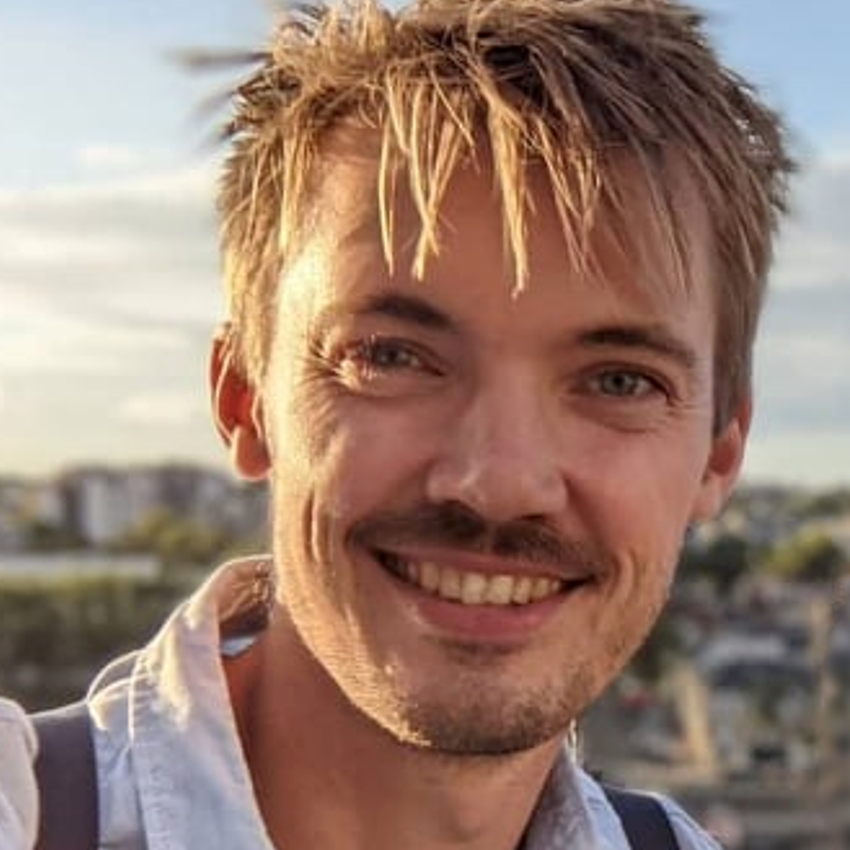
Dr. Hampus Månefjord
PhD student: 2020-2024

Dr. Dolores Bernenko
Project Assistant
2024-2024

Emmanuel Robertson
Masters Student: 2024-2024
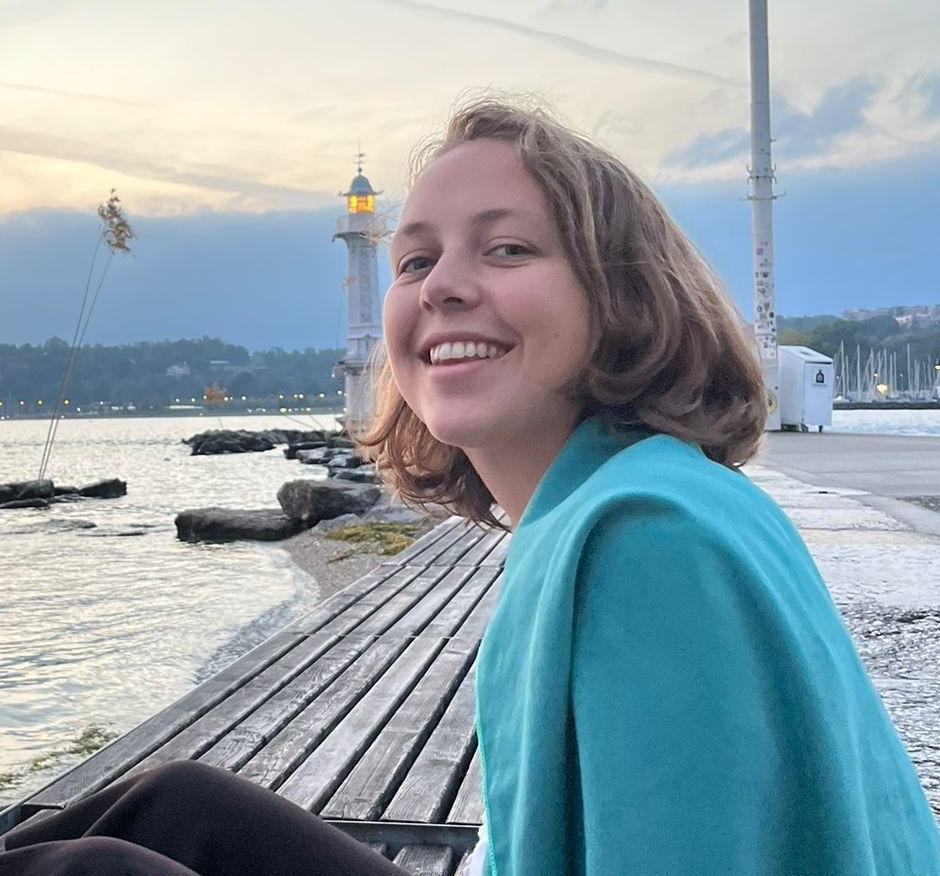
Isabel Eline Hendriks
Masters Student: 2023-2024

Dr. Klas Rydhmer
PhD student: 2018-2023

Eng. Lauro Müller
Project Assistant: 2022-2023
Masters Student: 2021-2022
Dr. Jacobo Salvador
Senior Researcher: 2020-2022

Dr. Samuel Jansson
PhD student: 2015-2020
Dr. Elin Malmqvist
PhD student: 2015-2019

Zhicheng Xu
Masters Student: 2021-2022

Eng. Jonathan Peterson
Masters Student: 2018-2019

Martin Patricks
Masters Student: 2019-2020
 Biophotonic Sensing Group