Biophotonic Sensing Group
Lund University
Explore Insect Abundance and Biodiversity
with Entomological LiDAR and Photonic Sensing
Highlighting Our Three Key Setups:
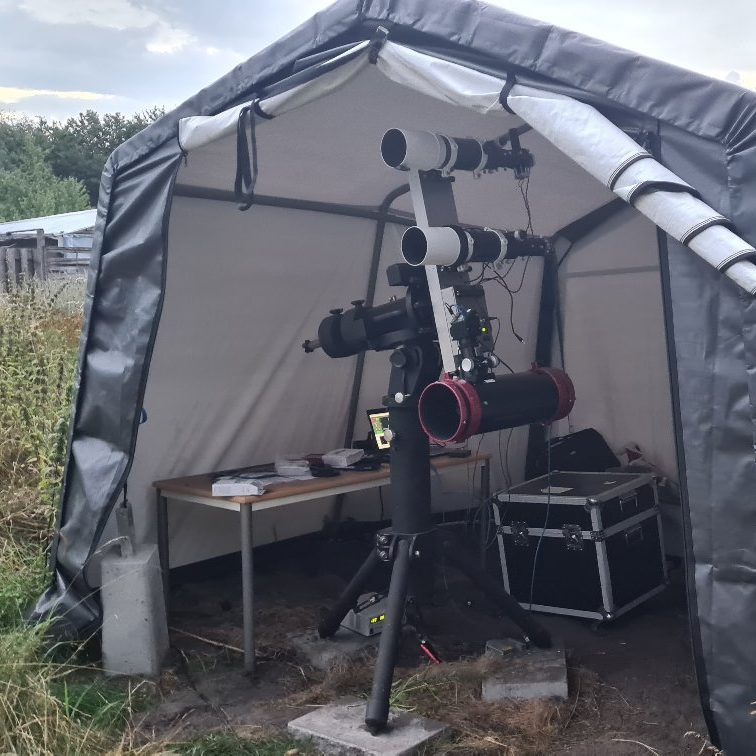
Scheimpflug Lidar
The Scheimpflug lidar, combining the Scheimpflug principle with lidar technology, offers versatile long-distance imaging. Its adaptable configurations include polarization bands, dual bands, fluorescence detection, and super continuum hyperspectral lidar, making it ideal for monitoring insects, vegetation, and aerosols.
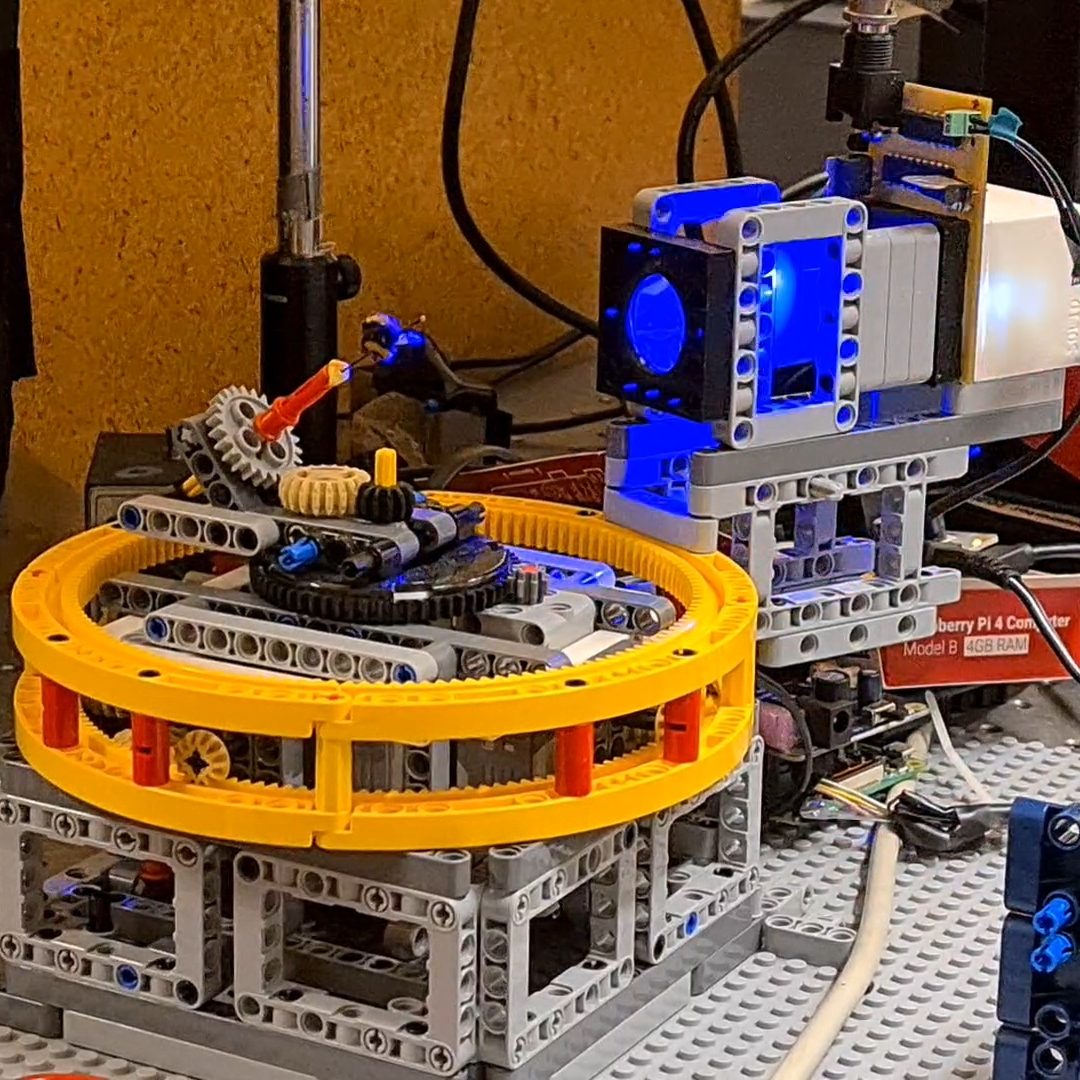
BIOSPACE
This low-cost, high-quality analytical tool uses multiplexed LEDs and a synchronized camera, with automated angles and polarization filters controlled by a microcomputer. It allows multi-dimensional scatter analysis of centimeter-sized biological targets.
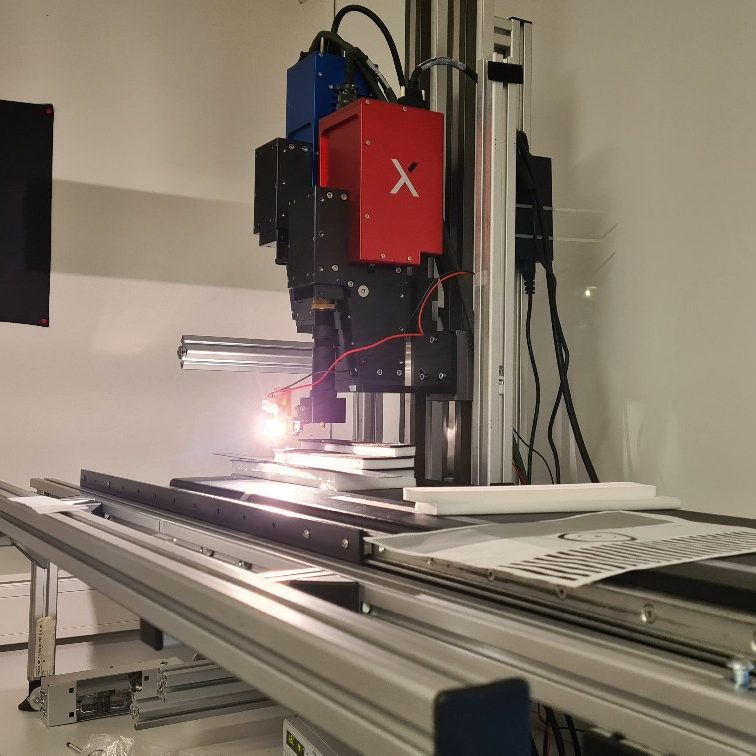
Hyperspectral Camera
A hyperspectral camera captures detailed images across a broad spectrum of light. This advanced camera records in hundreds of narrow bands from ultraviolet (UV) to short-wave infrared (SWIR). Its wide-ranging capabilities make it invaluable in fields like earth remote sensing, food science, medical optics, ecology, and environmental monitoring.
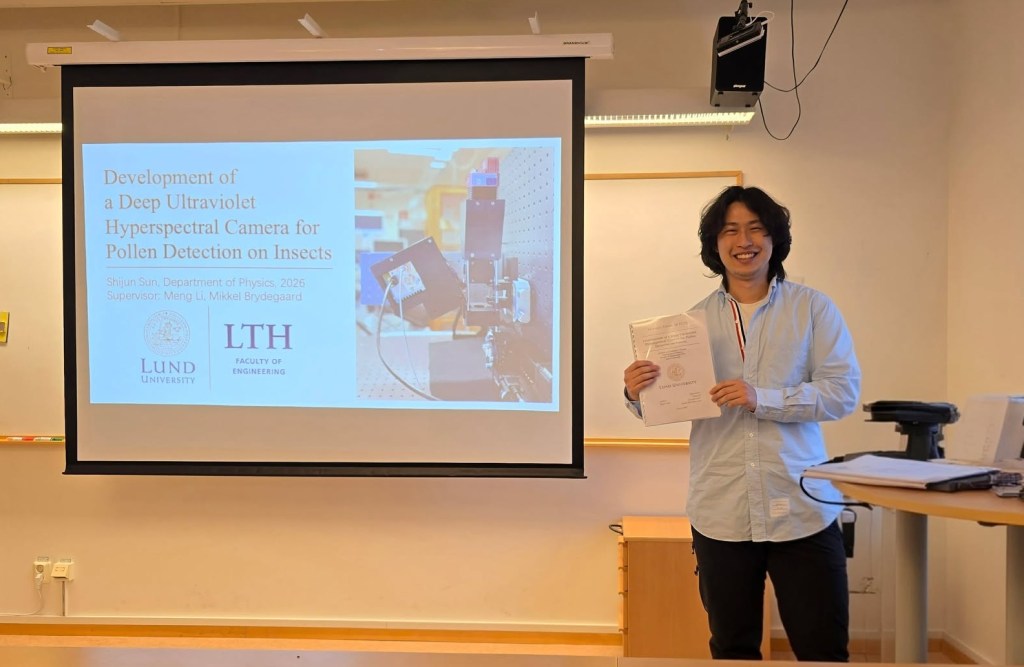

 Biophotonic Sensing Group