Biophotonic Sensing Group
Lund University
Principal Investigator

Ass. Prof. Mikkel Brydegaard, born in 1980 in Copenhagen, Denmark, obtained his M.Sc. in Electrical Engineering and his Ph.D. in Atomic Physics, Biophotonics, and Remote Sensing from Lund University, Sweden, in 2007 and 2012, respectively. He held postdoctoral research positions at Stellenbosch University, South Africa, and Norsk Elektro Optikk, Oslo, Norway. Brydegaard received the Inaba Prize in 2014, became a Docent in 2016, and was an ERC awardee in 2018. Since 2021, he has served as a Senior Lecturer at Lund University. He co-founded the African Spectral Imaging Network and Fauna Photonics in Denmark.
PhDs:
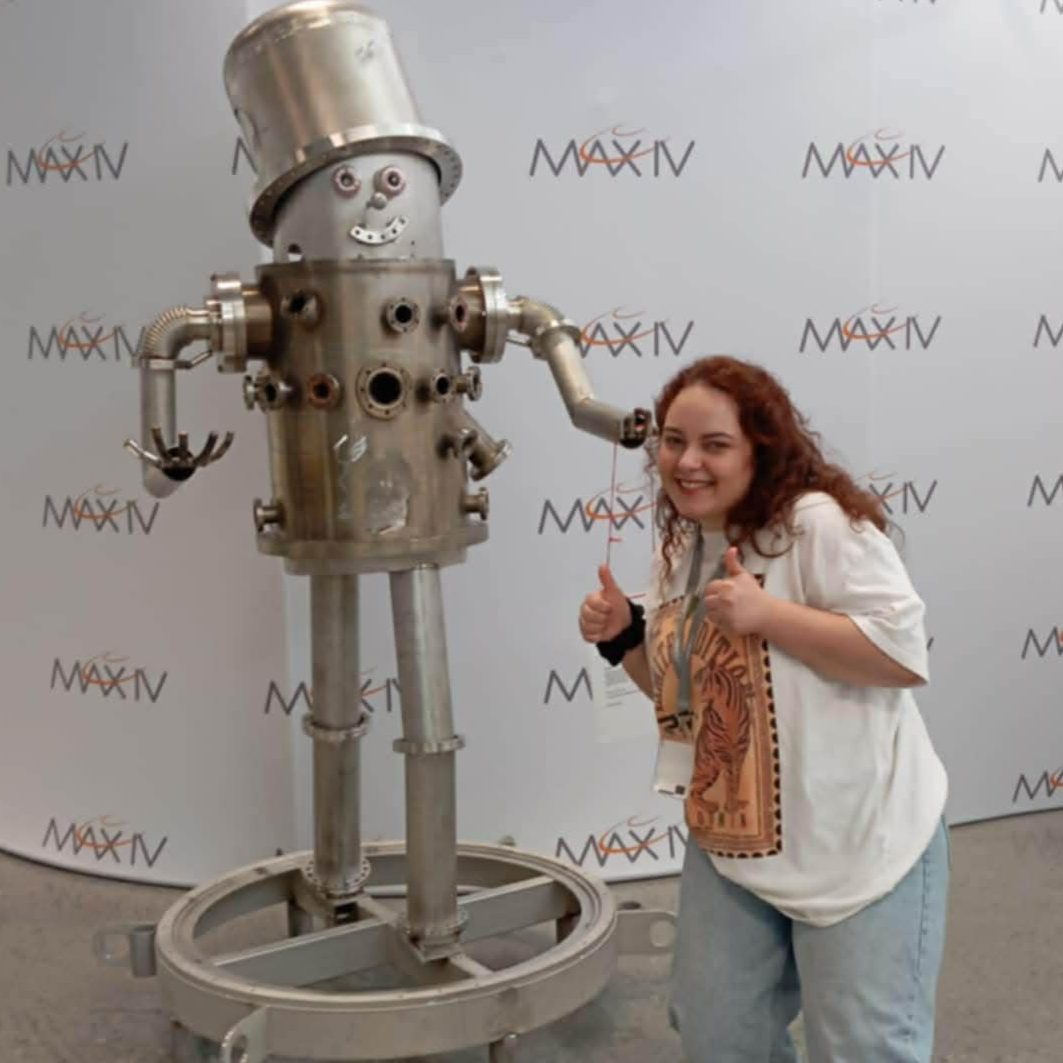
Hi, I’m Dorota Kiżewska, I come from Poland, and I officially started my PhD in July 2026 after completing my MSc in Photonics here at Lund University. My master’s project (also in Mikkel’s group) was about hyperspectral scanning of fresh insects in shortwave infrared region (SWIR), and I will now continue that research in my PhD by developing a hyperspecral lidar in both near-infrared (NIR) and SWIR. Once the instruments are functional, we can test them in the field for applications within bloodsucking disease vectors as well as for conservation ecology in relation to windfarms.

Shijun Sun, born in Urumqi, China. I obtained my bachelor’s degree at Xiamen University and master’s degree in Photonics from Lund University. In Mikkel Brydegaard’s group, I completed my master’s thesis project, developing a deep ultraviolet (DUV) hyperspectral camera for pollen classification. In June 2026, I will continue the research and development of DUV and aquatic lidar systems for lichen and biodiversity monitoring. I love photonics, nature, photography, and life.
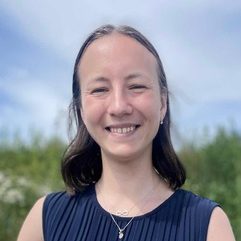
Katrine Gerassimovitch Eskildsen, born in 2001 in Aalborg, Denmark. I got my M.Sc. in Engineering (Physics and Technology with specialisation in Nanomaterials and Nanophysics) from Aalborg University in 2025
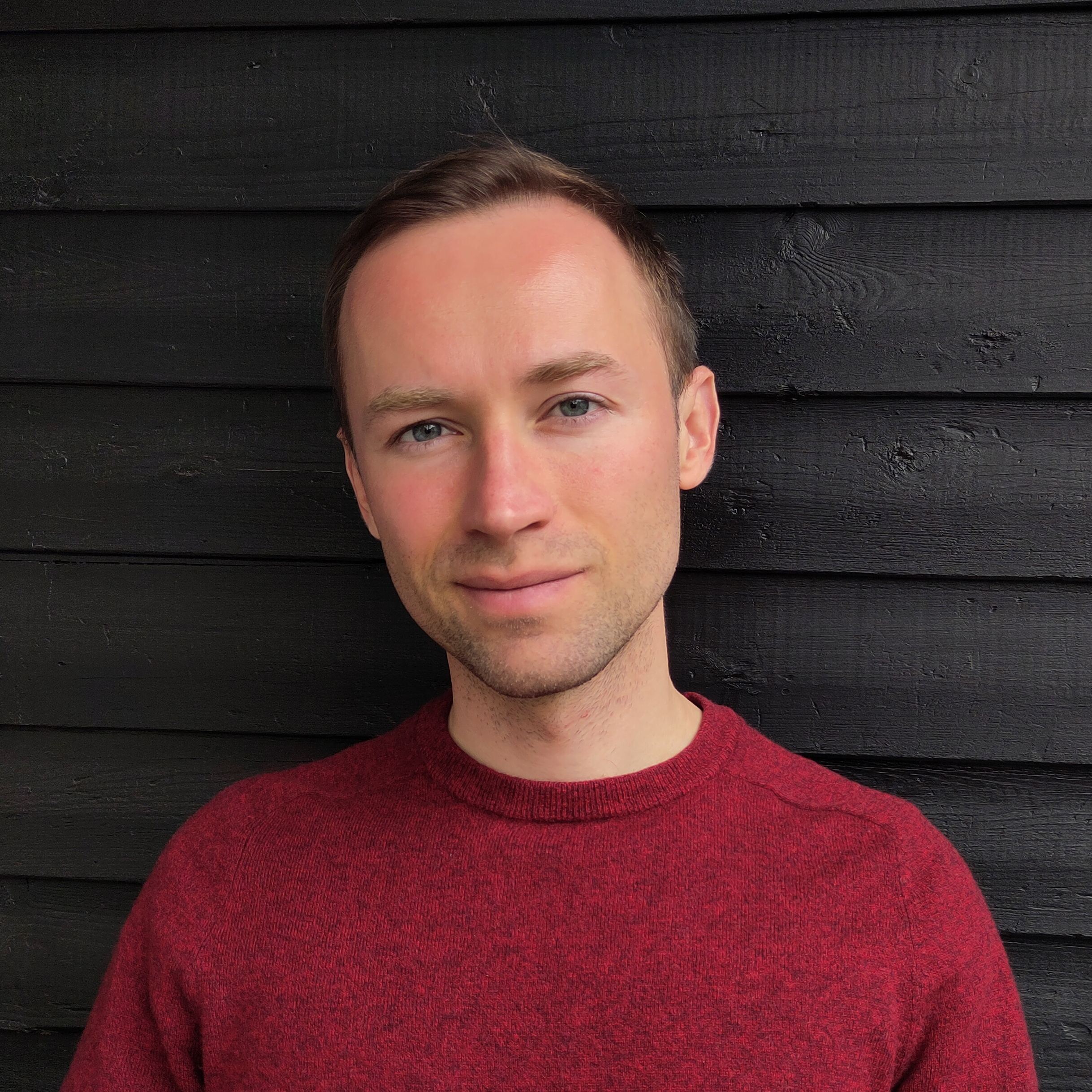
Timotej Žuntar is freshly part of the group since July 2025. After studying (bio)physics at the University of Ljubljana and later working on the monitoring of space debris with radar, his part in the entomological lidar project at Lund University is to look at much closer, smaller targets: to model the interaction of light with insect bodies, as well as develop methods of distinguishing their observations, in order to contribute to a reliable method of tracking insect numbers and biodiversity.
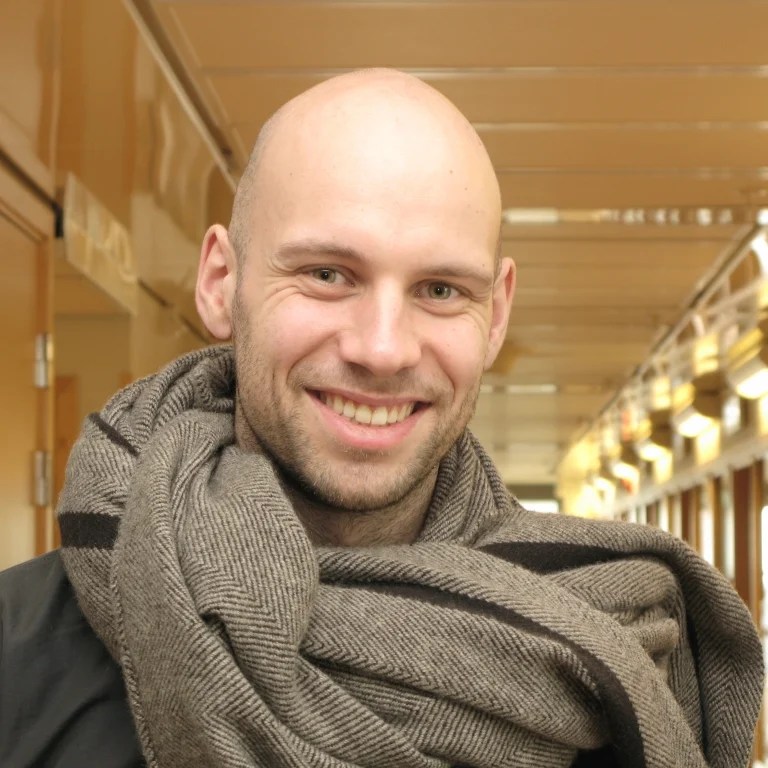
Hi! I’m Leonard de Causmaecker, 25 y/o (2024). I studied electromechanical engineering technology at Vrije Universiteit Brussel, but try to see this training as a blueprint for how the world functions, rather than defining my role in it. Accordingly I tend to focus on a multifaceted approach: I am passionate about digital fabrication, world building, materials science, indigenous art, interdisciplinary design and synthetic biology and, if relevant, strive to combine those to contribute to ecological research. My work ethic very much revolves around reinterpretation, and how process and prototype iteration influence an end product.
Postdocs:

Dr. Patrik Lundin. Patrik studied Engineering Physics at Lund University and obtained a PhD in 2014 with a thesis title “Laser Sensing for Quality Control and Classification – Applications for the Food Industry, Ecology and Medicine. After the PhD, he spent around 10 years in industry, working with development of TDLAS based instrumentation for the food and pharma industries. Patrik is now back in academia and is in our group working in the HyperSense project, mainly with development of a hyperspectral Scheimpflug lidar for range resolved sensing of oxygen.
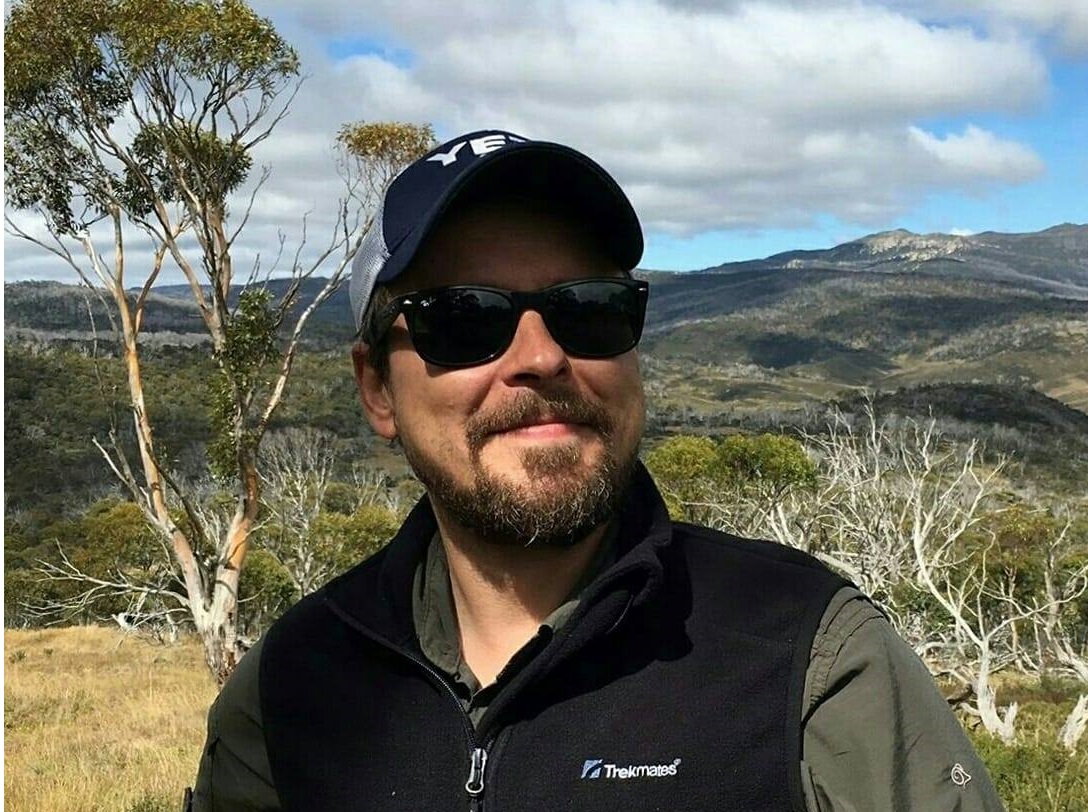
Dr. David Dreyer, beginning February 1st, 2024, renowned for his expertise in insect behavior studies and data analysis. Dr. Dreyer completed his graduate studies at Marburg University, Germany, focusing on the neurochemistry of the insect central nervous system, especially the red flour beetle. He earned his PhD from Oldenburg University, Germany, where his research centered on the neuronal basis of the avian magnetic compass sense. Recently, Dr. Dreyer wrapped up a pivotal project at Lund University on the Bogong moth, enhancing our understanding of magnetoreception in insects. His deep knowledge and innovative approach are great assets to our team.

Dr. Meng Li, born in Kunming, China in 1993, earned her PhD in Biophotonics and Entomological Lidar from Lund University, Sweden, in 2024 under the supervision of Dr. Mikkel Brydegaard. Her research within the Division of Combustion Physics investigated specular reflexes and back-lasing from insect wings, providing insights into membrane thickness and surface roughness for target remote identification.
Project Assistant:
Masters Students:

Hello, I’m Theodor Salomon from Hamburg, Germany. I completed my bachelor’s degree in mechatronics engineering at Hochschule München and Tongji University as part of a double-degree program in 2025. In the same year, I started my master’s degree in Photonics at Lund University. For my master’s thesis, I aim to develop an elastic hyperspectral LiDAR system for insect detection and classification that covers broad parts of the SWIR spectrum (900–2500 nm).
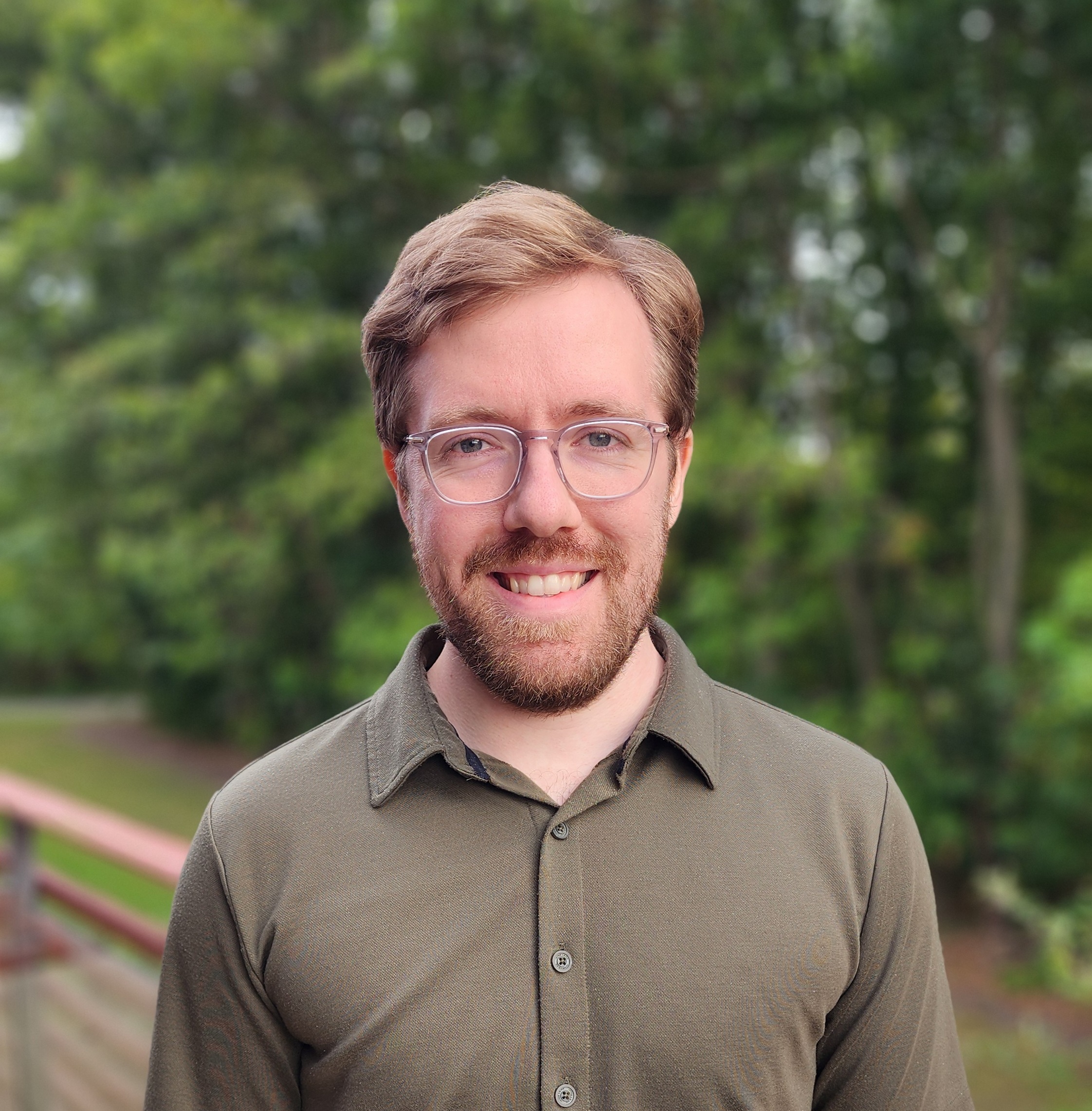
Brandon Robinson, born in 1996 in the United States. I got my bachelors degree in applied physics in 2019 from Northeastern University. I then worked in industry for 6 years where I worked in two different positions. In the first, I developed snapshot hyperspectral cameras for a variety of remote sensing applications. In the second, I developed cutting edge Geiger Mode Lidar sensors for large area collection at high point density. Currently I am pursuing my masters degree in photonics here at Lund.
Former Members:
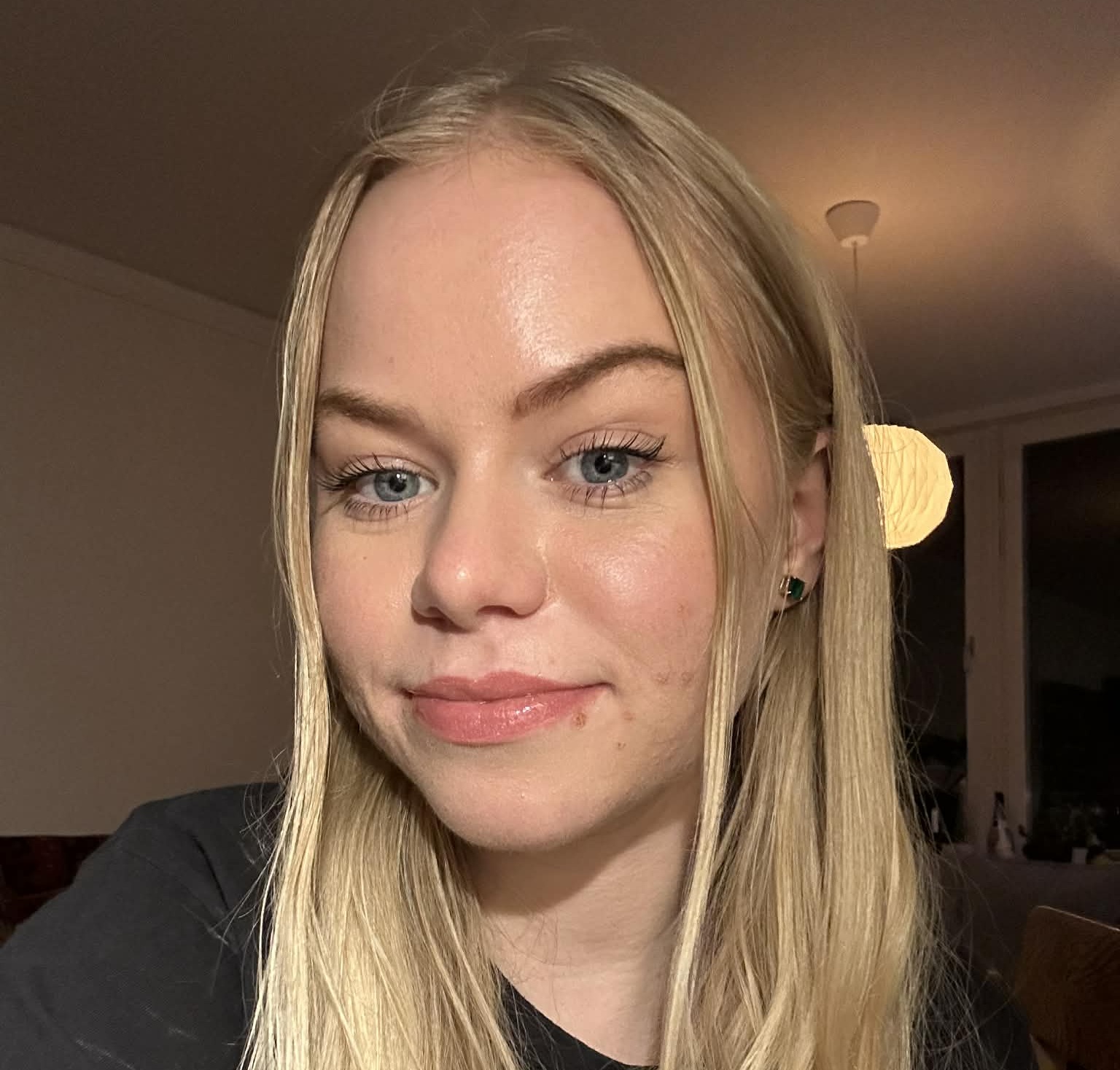
Mira Håkansson
Masters Student: 2026-2026
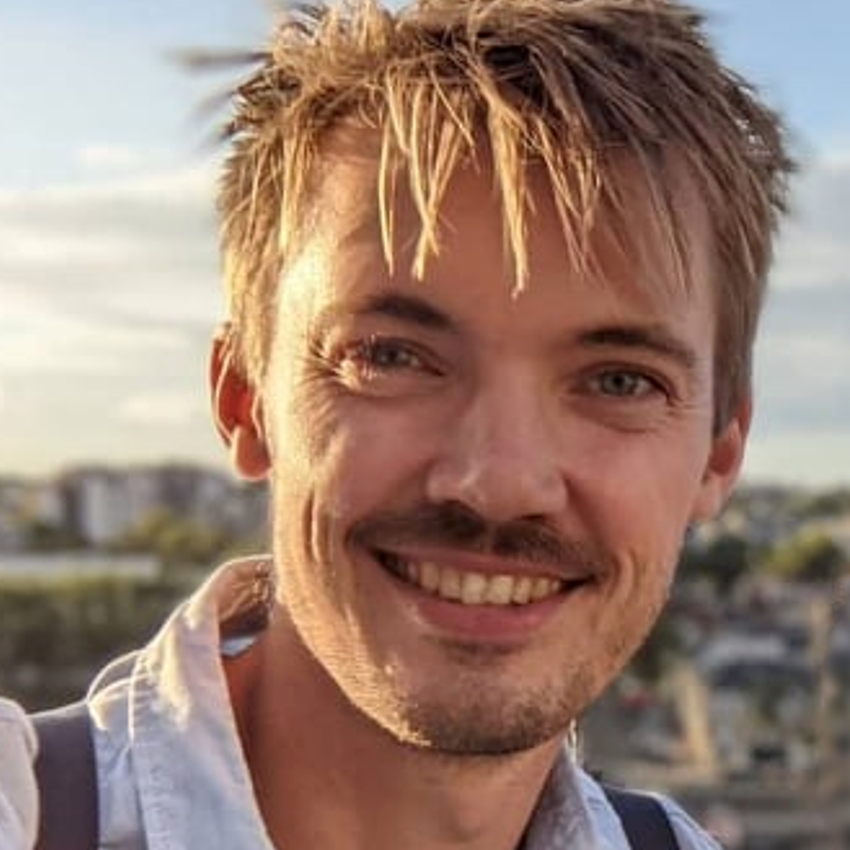
Dr. Hampus Månefjord
PhD student: 2020-2024
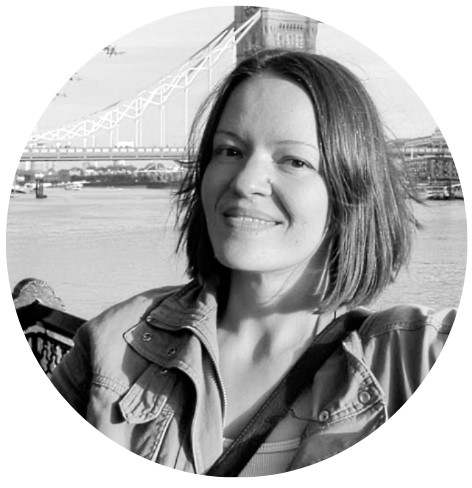
Dr. Dolores Bernenko
Project Assistant
2024-2024

Emmanuel Robertson
Masters Student: 2024-2024
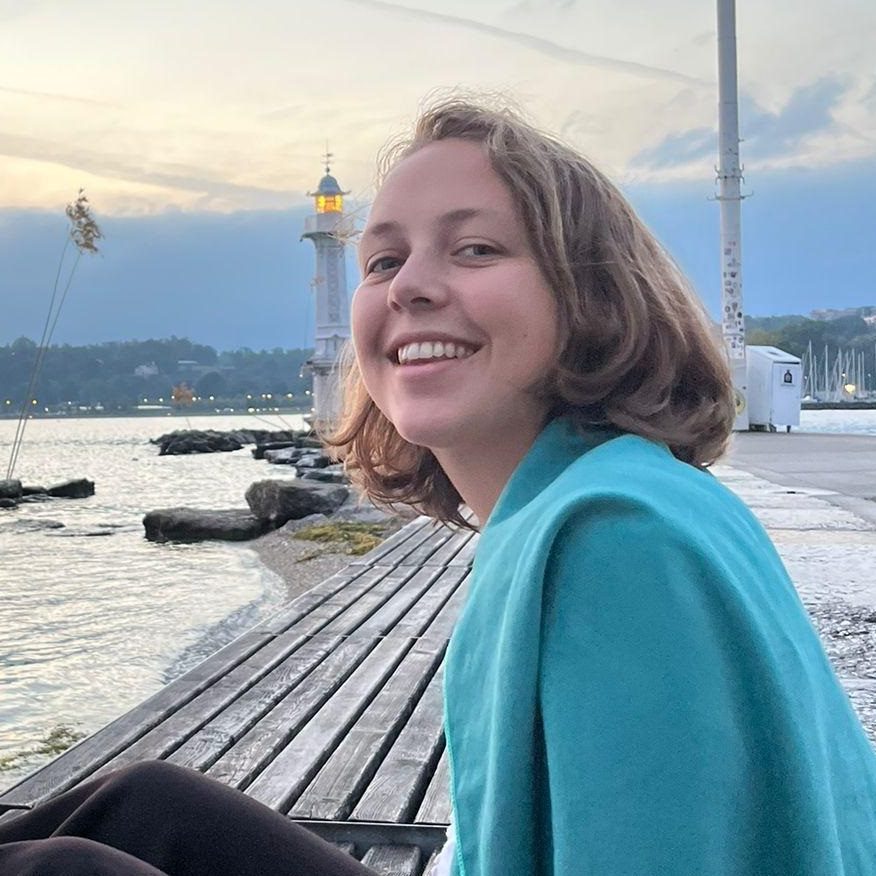
Isabel Eline Hendriks
Masters Student: 2023-2024
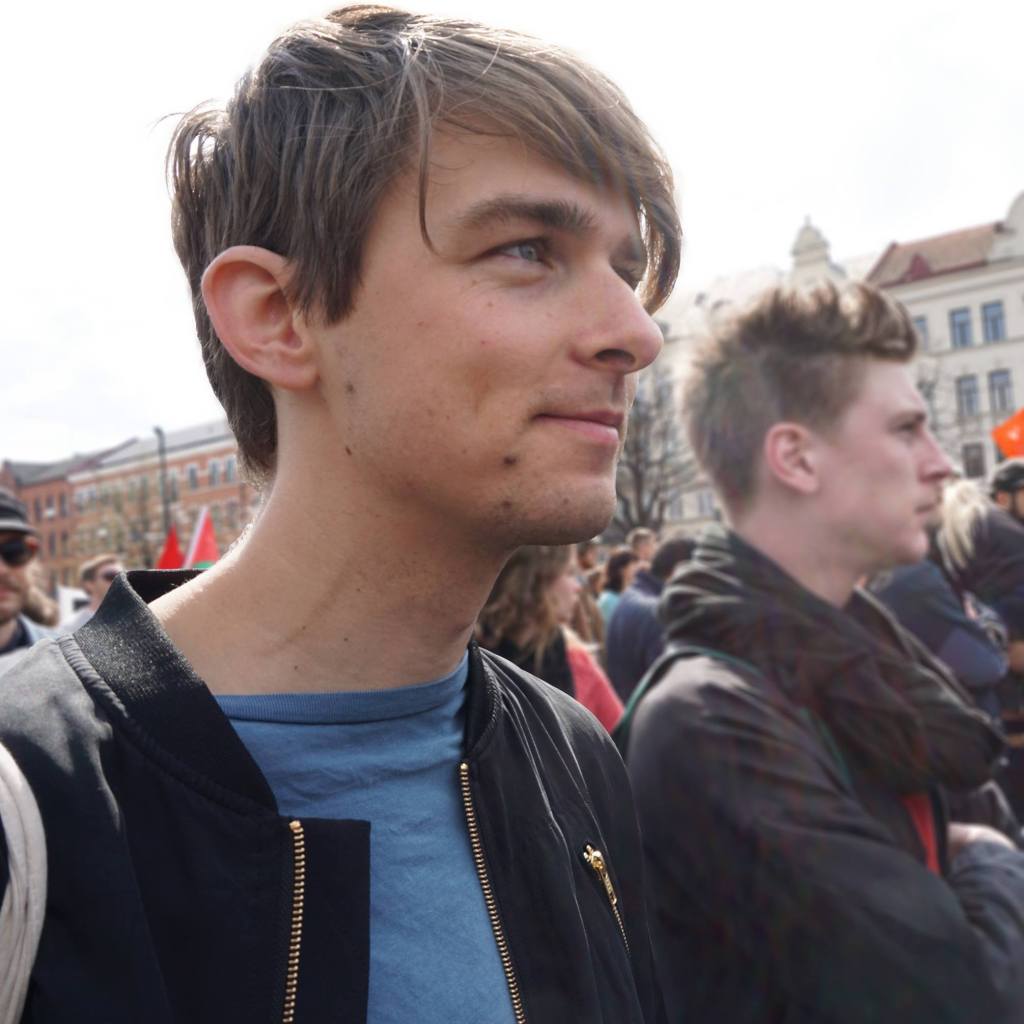
Dr. Klas Rydhmer
PhD student: 2018-2023

Eng. Lauro Müller
Project Assistant: 2022-2023
Masters Student: 2021-2022
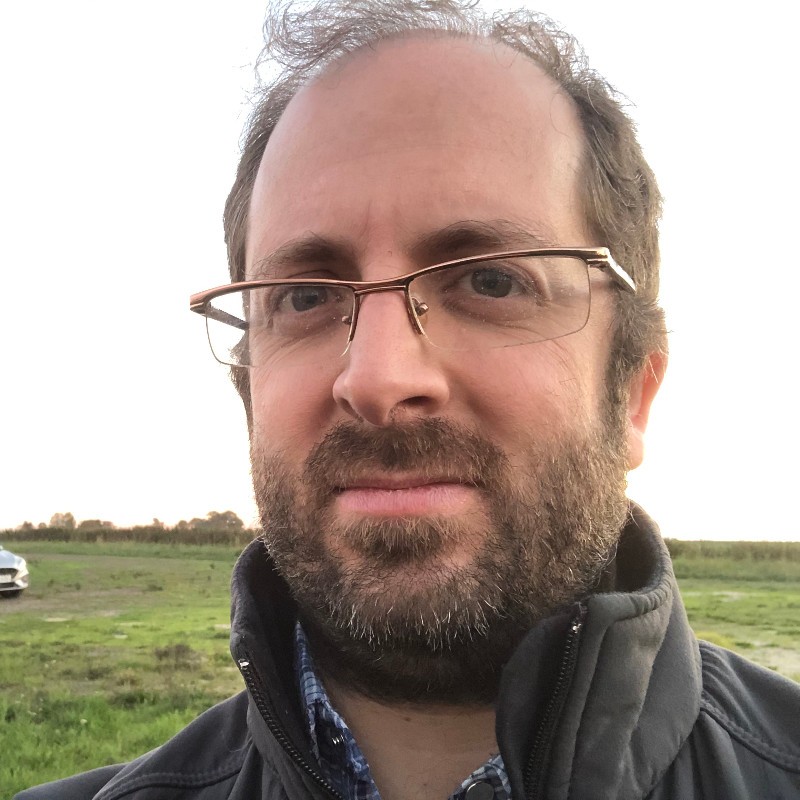
Dr. Jacobo Salvador
Senior Researcher: 2020-2022

Dr. Samuel Jansson
PhD student: 2015-2020
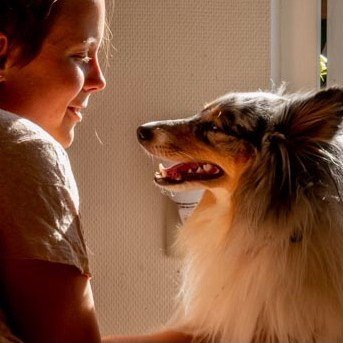
Dr. Elin Malmqvist
PhD student: 2015-2019

Zhicheng Xu
Masters Student: 2021-2022
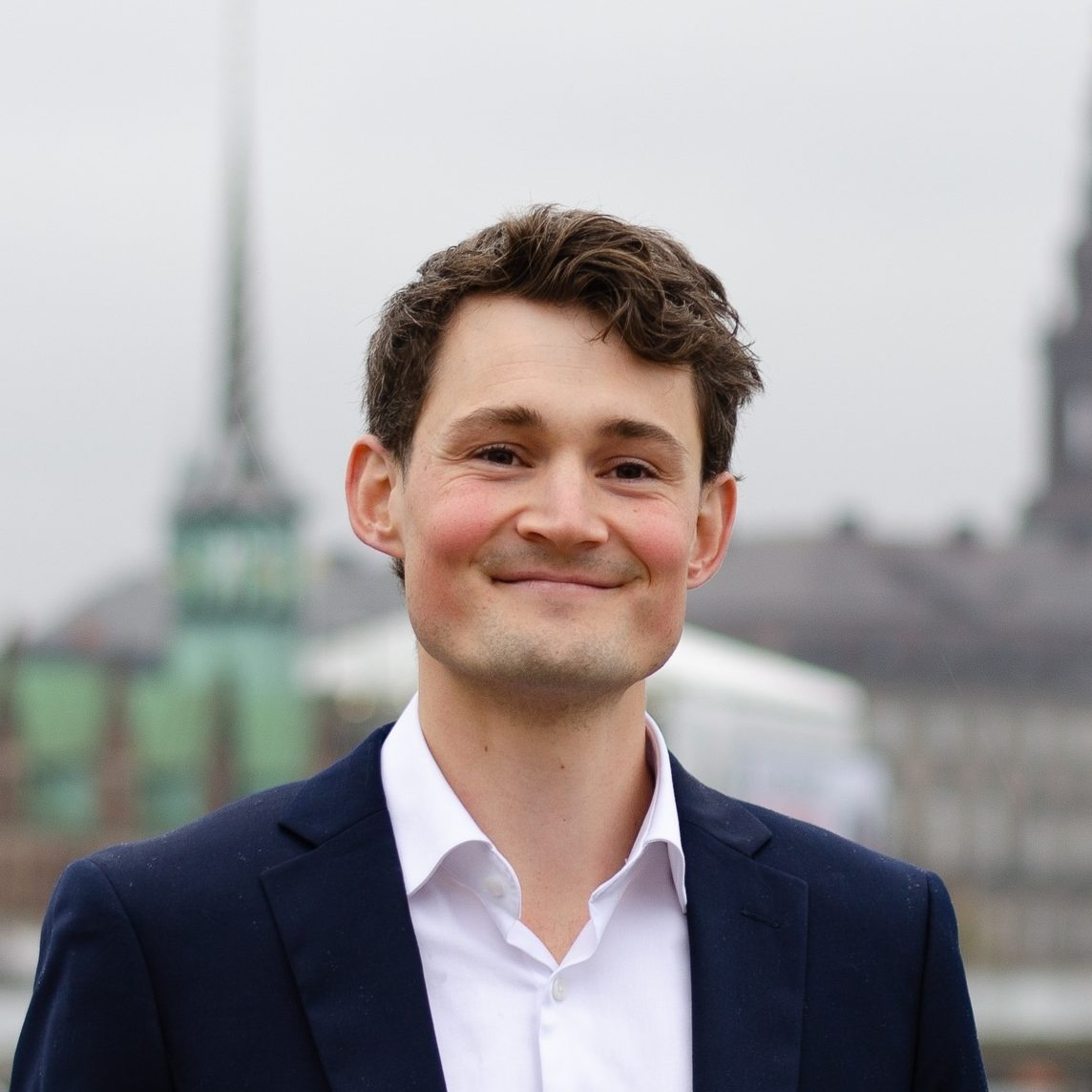
Eng. Jonathan Peterson
Masters Student: 2018-2019

Martin Patricks
Masters Student: 2019-2020

